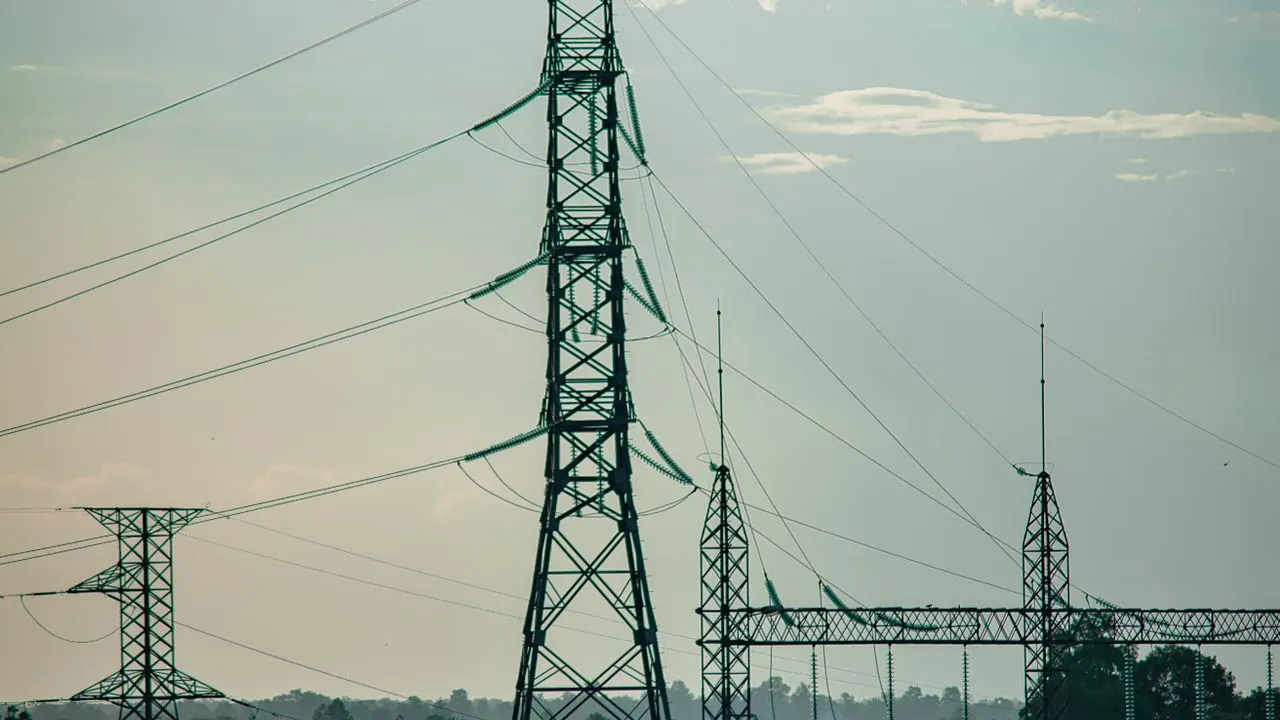
Some systems are not allowed to fail. A national grid, a payments rail, a regulated banking core — for these, "highly available" is not a marketing phrase, it is a contractual and societal obligation. Engineering at this tier demands a different discipline: defense in depth, dual-site resilience, privileged-access governance, and a design that has been reviewed, challenged and proven before it ever carries load. This is Aydahwa's home ground.
End-to-end at national scale
Aydahwa currently leads the network, platform and security architecture for a large-scale Critical National Infrastructure (CNI) smart-grid programme. The scope is deliberately end-to-end: an SDN-based network fabric, multi-tenant virtualization, next-generation firewalls (NGFW), Privileged Access Management (PAM), HSM/KMS for key protection, high-availability database clustering, backup and recovery, and a dual-site (primary + disaster recovery) production architecture — directed across a 20+ person virtual team of engineers, integrators and assurance specialists. Defensive controls are layered with enterprise SIEM/SOAR and XDR/EDR so the programme can detect and respond, not just prevent.
Governance is what makes it scale
We define and own the architecture guiding principles and IT standards, assess competing technologies for strategic fit, maintain the technology roadmap, and run the solution and technical design review that holds every project to those standards — including formal exception governance and End-of-Life lifecycle planning. We partner with regulators, integrators and client GRC to translate audit findings and architectural intent into enforceable technical controls: hardening baselines, segmentation, privileged-access governance and secure change management.
For a leader weighing a partner for a system that cannot go down, the question is simple: have they done it where it truly mattered? We have, and we are doing it now.
Reference reading
- NIST Cybersecurity Framework (CSF)
- CIS Benchmarks
- ISO/IEC 27001